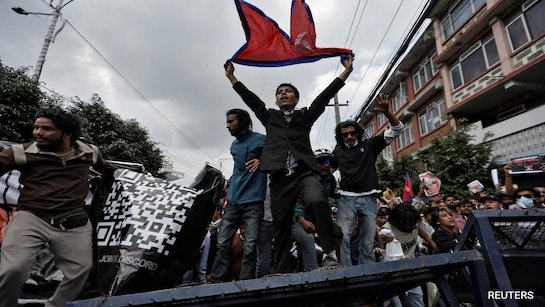
Nepal Unrest 2025: The Gen Z Protests Against Corruption and Social Media Ban
In early September 2025, Nepal witnessed unprecedented nationwide protests, mainly driven by its youth, famously dubbed the “Gen Z protests.” These large-scale demonstrations were triggered by the government’s sudden ban on 26 major social media platforms—including Facebook, X, YouTube, WhatsApp, and more—citing their failure to register under new government rules. The ban came amid growing public outrage over endemic corruption, nepotism, and limited economic opportunities.
The Spark: Social Media Ban and Rising Discontent
On September 4, the Nepalese Government ordered the shutdown of key social media platforms, a move widely perceived as censorship aimed to silence emerging social media campaigns exposing nepotism among political elites—often referred to as “Nepo Kids,” the privileged children of influential politicians. The ban fueled frustrations, especially among young Nepalis who rely heavily on these platforms for information, communication, and activism.
Escalation to Mass Protests and Violence
By September 8, tens of thousands gathered across Kathmandu and other cities, staging peaceful protests demanding the lifting of the ban and an end to corruption. The demonstrations saw large youth participation, many noted in school uniforms, leading to the term “Gen Z protests” to describe the movement.
However, tensions escalated when protesters tried to breach the Federal Parliament premises, prompting police to respond with tear gas, water cannons, rubber bullets, and live ammunition. The crackdown turned deadly—at least 19 people were killed and over 300 injured in clashes nationwide. Protesters also set fire to political party offices and the homes of top leaders, intensifying the crisis.
Government Response and Political Fallout
Following the unrest, the government lifted the social media ban and enforced curfews in Kathmandu and several other cities, resulting in schools and shops closing indefinitely. Amid mounting pressure, two cabinet ministers resigned, and Home Minister Ramesh Lekhak stepped down, taking moral responsibility for the violence.
Prime Minister K.P. Sharma Oli, serving his fourth term since July 2024, expressed sadness over the deaths but blamed “vested interest groups” for the turmoil. Nevertheless, calls for his resignation grew louder among opposition parties and within his own coalition.
Youth-Led Movement with Deep Roots
The protests exposed Nepal’s simmering frustrations around corruption, nepotism, and governance failures, especially as young people increasingly demand accountability and economic opportunities. The movement signifies a generational shift, with Gen Z activists leveraging social media to mobilize and voice dissent.
International and Human Rights Reactions
Human Rights Watch condemned the excessive use of force by security personnel, calling for transparent investigations and accountability for the killings. The UN Office of the High Commissioner for Human Rights (OHCHR) also urged the Nepal government to uphold civil rights and avoid suppressive measures against peaceful protesters.
Looking Ahead
Nepal’s political landscape remains volatile as it grapples with youth-led demand for reforms. The protests mark one of the gravest challenges to the government since the monarchy’s abolition in 2008, underscoring a crucial moment in Nepal’s democratic and social development.