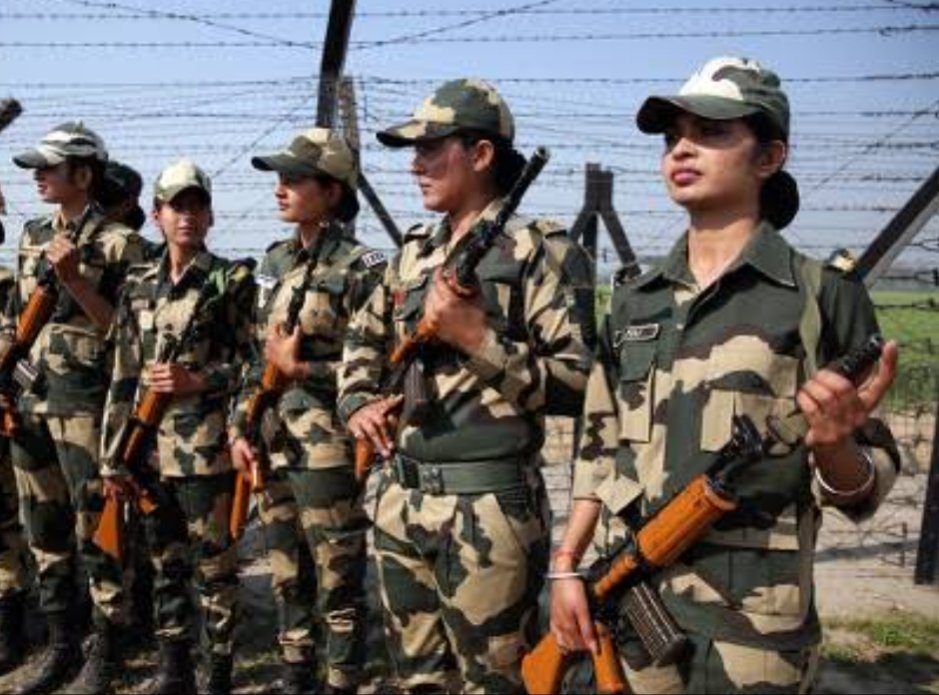
BSF Troops at Bangladesh Border Receive 5,000 Body Cameras: Detailed Analysis
On July 28, 2025, the Border Security Force (BSF) initiated a significant tech upgrade, deploying over 5,000 body-worn cameras and biometric data-capturing devices at the Indo-Bangladesh border. This move is a direct response to heightened security concerns and operational transparency, especially following the fall of the Sheikh Hasina government in Bangladesh in August 2024, which has led to increased cross-border movement and tensions (Sources:).
Purpose and Implementation
The 5,000 body cameras, distributed in two batches, are being rolled out at key and vulnerable border outposts along the 4,096 km stretch. These cameras offer night vision and can record up to 12-14 hours continuously. Their main goals are:
- Document deportations and the process of handing over illegal Bangladeshi migrants.
- Collect visual evidence during encounters with smugglers, human traffickers, and violent cross-border criminals.
- Serve as proof in instances where BSF personnel are attacked or accused of excessive force.
Alongside cameras, selected outposts will get biometric recording devices capable of capturing fingerprints and iris scans. This data is sent to the Foreigners Registration Office (FRO), establishing an evidence-backed database of infiltrators and repeat offenders.
Why This Matters
- Enhanced transparency: The cameras provide unbiased footage, countering allegations by Bangladesh and international agencies about the use of excessive force. The recordings clarify BSF’s actions—whether force was used as a last resort or not.
- Improved investigations: Video and biometric evidence streamline legal processing for deportations and attacks on BSF, reducing ambiguity in judicial and diplomatic cases.
- Robust deterrence: Cameras and biometrics help deter organized crime and infiltration by making prosecution more efficient.
Current Impact
As of mid-July 2025, BSF has already apprehended 1,372 Bangladeshis trying to cross into India, and over 3,500 returned or handed to authorities while exiting India. The Home Ministry’s approval for these measures marks a comprehensive policy shift, emphasizing tech-led, evidence-based border management.
Strategic Outlook
This initiative is part of larger technological enhancements at Indian borders, including electronic surveillance, drone detection, and tunnel identification as announced by the Home Ministry. It reflects India’s intent to balance humane treatment, legal rigor, and security at one of its most sensitive borders.