The Strait of Hormuz: A Critical Chokepoint in Global Oil Trade 🌊
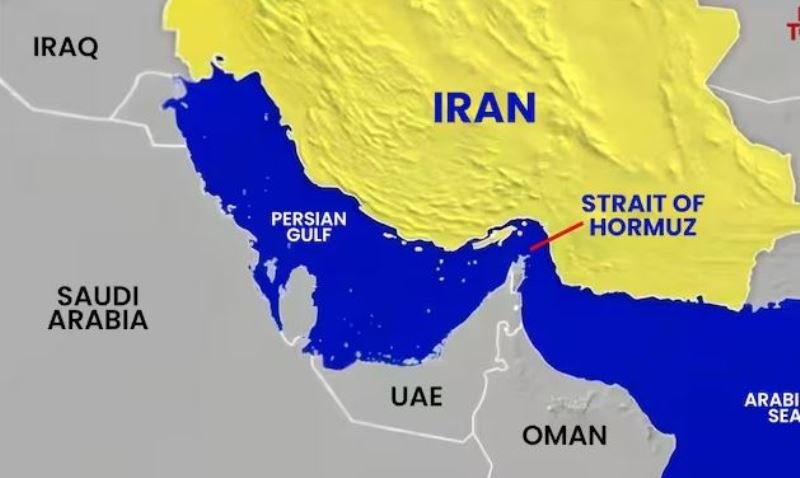
The Strait of Hormuz, located between Oman and Iran, is one of the world’s most important shipping lanes. This narrow waterway connects the Persian Gulf to the Gulf of Oman and the Arabian Sea, making it a crucial route for global oil trade.
Geography and Navigation
The strait is approximately 30-95 km (19-59 miles) wide, with the shipping lanes divided into two channels: one for inbound and one for outbound traffic. The deepest point is around 220 meters (722 feet).
Strategic Importance
- Oil Exports: Roughly 20-30% of global oil trade passes through the strait.
- Global Energy Security: Major oil producers like Saudi Arabia, Iraq, and Iran rely on this route.
- Maritime Chokepoint: Any disruption here impacts global oil prices and supply chains.
Challenges and Risks
- Tensions and Conflicts: Iran’s geopolitical tensions have raised concerns about potential blockades.
- Piracy and Security: The area has seen pirate attacks and security threats.
- Environmental Risks: Heavy traffic increases spill risks.
Alternatives and Mitigation
- Pipelines: Some countries use pipelines to bypass the strait.
- Diversification: Importers are exploring alternative routes and energy sources.
The Strait of Hormuz remains vital to global energy security. Efforts to ensure safe passage and diversify energy routes continue amidst geopolitical complexities 🌊.