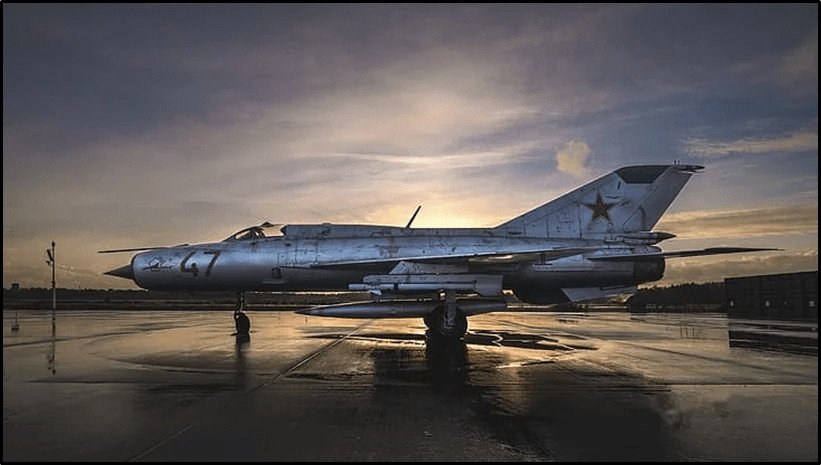
How MiG Fighters Became the Backbone of the Indian Air Force
Introduction:
Sixty years ago, the Indian Air Force made a game-changing decision by inducting MiG-21 fighter jets, shaping the nation’s aerial might for generations.
Section 1: The Need for Modern Fighters
- In the early 1960s, the IAF needed advanced supersonic jets to keep pace with global air power.
- Options from the West and the USSR were evaluated for performance, reliability, and affordability.
Section 2: The Soviet Edge and Deal
- The MiG-21 impressed Indian officials with its capabilities and reasonable cost.
- After extensive trials, India finalized a deal with the Soviet Union in 1962.
- The first MiG-21s arrived in 1963, launching the IAF’s supersonic era.
Section 3: Strengthening Indian Air Power
- The MiG-21s quickly proved their worth, especially in the wars of 1965 and 1971.
- India began manufacturing MiGs domestically, enhancing self-reliance.
- The jets became iconic symbols of the IAF, flying diverse roles from intercepting to training.
Section 4: Legacy and Impact
- MiG-21s shaped Indo-Russian defense ties and advanced India’s aviation industry.
- They remained operational for decades, reflecting their reliability and historic significance.
- Their induction marked a turning point for Indian military aviation and regional security.
Conclusion:
The decision to bring MiG-21s into the IAF not only boosted India’s defense capabilities but also set the foundation for decades of aerial strength and technical advancement.